


Lavender & Rosemary Cottage Garden | 2 Hidcote Lavender, 2 Trailing Rosemary & 2 English Thyme | Six Live Plants | Non-GMO
Similar Herbs to Grow:

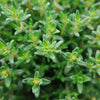
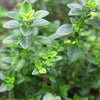
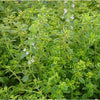
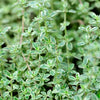
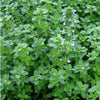


The Lavender & Rosemary Cottage Garden brings together three fragrant herbs for a sunny bed, border or patio pot: Hidcote Lavender, Trailing Rosemary and English Thyme.
Gardeners love this combination because all three want the same thing: full sun, soil that drains well and very little fuss. Hidcote Lavender gives deep violet-purple flower spikes over gray-green leaves, Trailing Rosemary spills over a wall or the edge of a pot, and English Thyme fills in low between them. Bees and butterflies visit the flowers, and the rosemary and thyme go straight to the kitchen.
Clovers Garden Lavender & Rosemary Cottage Garden
• Six Large, Live Plants – Ready to grow, premium-quality herb plants, 3” to 8” tall in 4” pots. Two each: Hidcote Lavender, Trailing Rosemary and English Thyme.
• Non-GMO, No Neonicotinoids – Plants are grown without these chemicals to protect pollinators.
• Comes Back Every Year – Hidcote Lavender is a perennial in Zones 5 to 8, and English Thyme is a perennial herb too. Trailing Rosemary is winter hardy outdoors in Zones 8 to 10. In colder zones, grow it as an annual or bring the pot indoors for winter.
• Hidcote Lavender – A compact English lavender with deep violet-purple, fragrant flower spikes. Cut it for fresh or dried arrangements and sachets.
• Trailing Rosemary – A low, cascading rosemary with the same flavor as upright rosemary. Lovely draping over a rock wall or the side of a container.
• English Thyme – One of the most versatile kitchen herbs. Goes with everything from meats to vegetables to cheeses.
• Good for You, Good for Pollinators – Fragrance and fresh herbs for you. Flowers for the bees and butterflies.
• Great in Patio Pots – Put one of each herb in a pot and you have two matching pots for the patio, the deck or the front step.
• 10x Root Development – Robust plants with healthy roots that establish quickly and produce vigorous growth.
• Grown in the Midwest – All plants are grown in the USA, and we manage the entire process from seed to your doorstep.
• Fast Shipping and Careful Packaging – Your plants arrive quickly in our exclusive, eco-friendly, 100% recyclable box designed to protect your plants and the planet.
• Quick Start Planting Guide – Created just for our customers, this copyrighted guide walks you through every gardening step from unboxing to planting.
• Third Generation, Family-Owned Small Business – We've been helping gardeners since 1957 with established greenhouses right here in the Midwest.
• 100% Satisfaction Guaranteed
How to Grow and Care for the Lavender & Rosemary Cottage Garden
• Sunlight – Full sun, at least 6 hours a day.
• Soil – Soil that drains well. These herbs like it on the lean side, so go easy on fertilizer. Mix sand or fine gravel into heavy clay.
• Watering – Water well for the first few weeks, then let the soil dry out between waterings. Soggy soil is the one thing these plants do not forgive.
• Spacing – Plant each pair together as a grouping. Set the lavender about 18 inches apart and the thyme about 12 inches apart. Give the Trailing Rosemary about 24 inches, or put it at the edge of a wall or pot where it can spill over.
• In Pots – For two matching pots, plant one of each herb in each pot. Use pots at least 16 inches wide with drainage holes. Lavender goes in back, with the rosemary and thyme toward the rim.
• Seasonal Care – Trim the lavender lightly after it blooms. Snip rosemary and thyme whenever you need them. In zones colder than Zone 8, bring the rosemary indoors before frost or grow it as an annual.
Lavender & Rosemary Cottage Garden – Fun Facts
Why It's Called Rosemary
The name comes from the Latin for “dew of the sea.” Rosemary grows wild along the Mediterranean coast, where sea spray settles on the plants.
Why Hidcote Is a Garden Favorite
Hidcote is a compact English lavender, about 18 inches tall and wide, with some of the deepest violet-purple flowers of any lavender. It is also one of the more cold-hardy lavenders.
Why These Three Grow So Well Together
Lavender, rosemary and thyme all come from the sunny, dry lands around the Mediterranean. They want the same sun, the same lean soil and the same light watering, so one bed or one big pot suits all three.
Why Bees Love This Garden
All three herbs flower, and bees work them hard. Lavender blooms in summer, and the small flowers on rosemary and thyme add more for bees to visit.
Common Questions About the Lavender & Rosemary Cottage Garden
How many plants are included?
You receive six live plants: two Hidcote Lavender, two Trailing Rosemary and two English Thyme.
Which of these plants come back every year?
Hidcote Lavender is a perennial in Zones 5 to 8, and English Thyme is a perennial too. Trailing Rosemary comes back in Zones 8 to 10. In colder zones, grow it as an annual or bring it indoors for winter.
Do these plants need full sun?
Yes. All three do best with at least 6 hours of sun a day.
How far apart should I plant them?
Set the lavender about 18 inches apart and the thyme about 12 inches apart. Give the Trailing Rosemary about 24 inches, or put it at an edge where it can spill over. Plant each pair together as a grouping.
How often should I water?
Water well for the first few weeks. After that, let the soil dry out between waterings. These herbs handle dry weather far better than wet soil.
Can I grow them in containers?
Yes. Put one Hidcote Lavender, one Trailing Rosemary and one English Thyme in each pot and you have two matching pots for the patio or front step. Use pots at least 16 inches wide with drainage holes. Set the lavender in back and the rosemary and thyme toward the rim so the rosemary can drape over the side. A pot also makes it easy to bring the rosemary indoors in cold zones.
Can I cook with these herbs?
Yes. Rosemary and thyme are kitchen staples for meats, vegetables, breads and cheeses. Cut the lavender for fresh or dried arrangements and sachets.
Are these plants deer resistant?
Lavender and rosemary are both deer resistant. Their strong scent is part of the reason.
Will this garden attract pollinators?
Yes. Bees and butterflies visit the lavender in summer, and bees also work the rosemary and thyme flowers.
Are these plants non-GMO?
Yes. All Clovers Garden plants are non-GMO and grown without neonicotinoids.
What Are the Best Companion Plants for the Lavender & Rosemary Cottage Garden?
Pair this collection with:
• Garden Sage
• Oregano
• Catmint
• Yarrow
• Russian Sage
How the Lavender & Rosemary Cottage Garden Is Good for You, Pollinators and Nature
• For You – Fragrance every time you brush past, lavender to cut and dry, and fresh rosemary and thyme a few steps from the kitchen.
• For Pollinators – Bees and butterflies work the lavender in summer, and bees visit the rosemary and thyme flowers too.
• For Nature – A low-water planting, grown without neonicotinoids, that turns a sunny corner into a friendlier place for wildlife.