
Barbeque Rosemary Plants — Two (2) Live Plants — Non-GMO — Each 3" to 8" Tall in 4" Pots — Strong Stems for Grilling Skewers, Intense Flavor, Season-Long Harvest
Try These Other Aromatic Herbs:
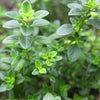
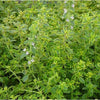
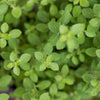
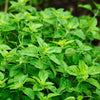

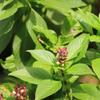


The rosemary plant that actually belongs next to your grill.
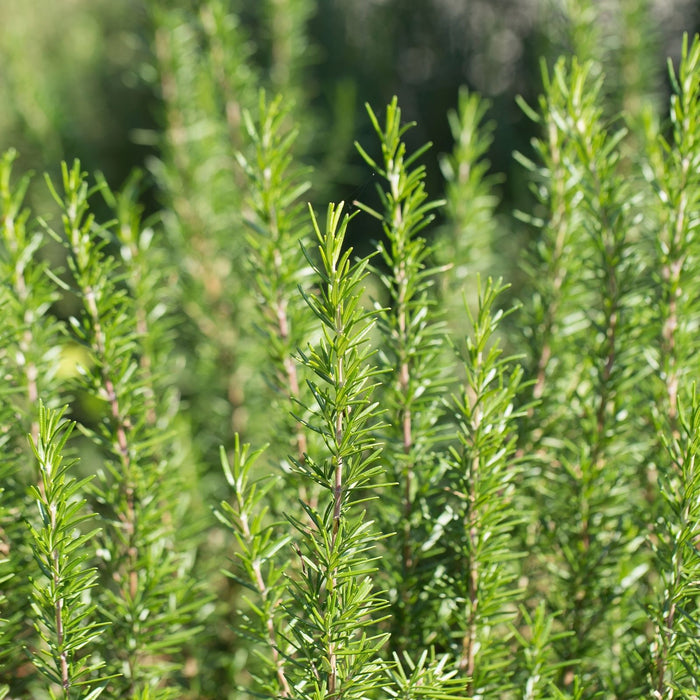
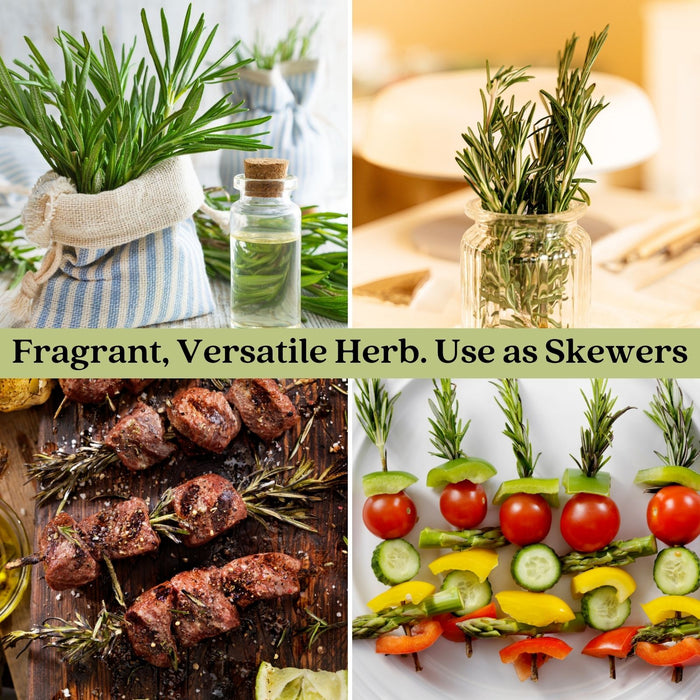
Barbeque Rosemary is a specific variety selected for one defining characteristic — thick, rigid, woody stems strong enough to use directly as cooking skewers on the grill. Strip the lower needles, sharpen the tip, thread your ingredients, and grill. The stem seasons your food with deep resinous rosemary flavor from the inside out as it cooks. No separate marinade needed.
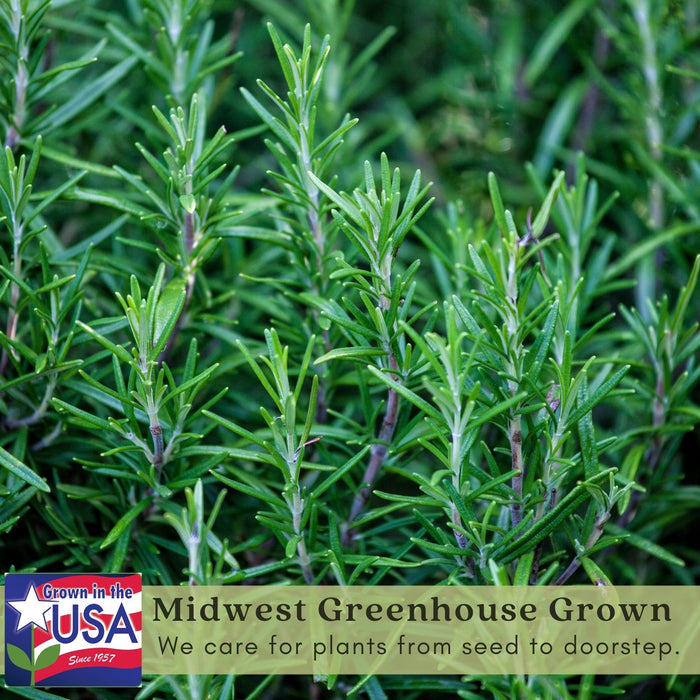
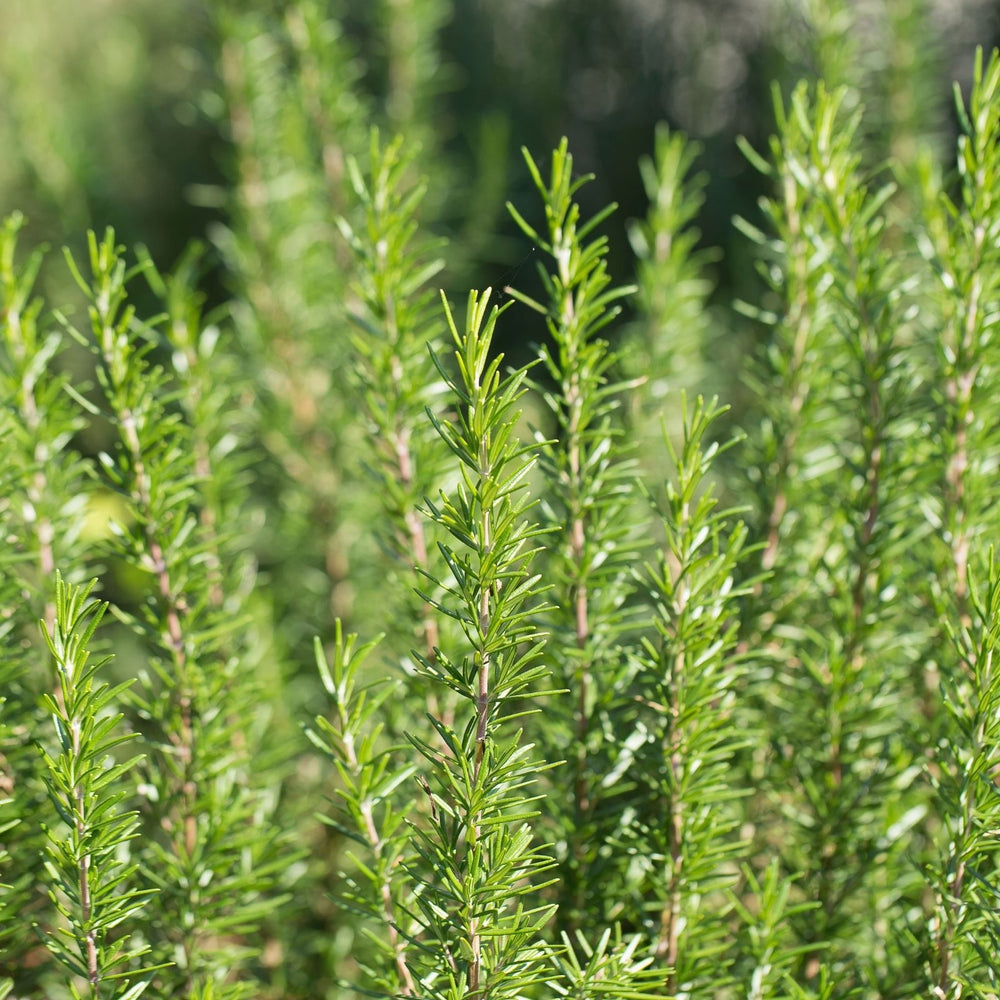
The needle-like leaves are denser and more intensely aromatic than standard rosemary, making this the preferred culinary variety for grilling, roasting, and slow cooking. Roasted potatoes. Focaccia. Compound butter. Herb oils. Braised lamb. Grilled chicken. Cocktails. Barbeque Rosemary handles all of it with more flavor than any grocery store rosemary.
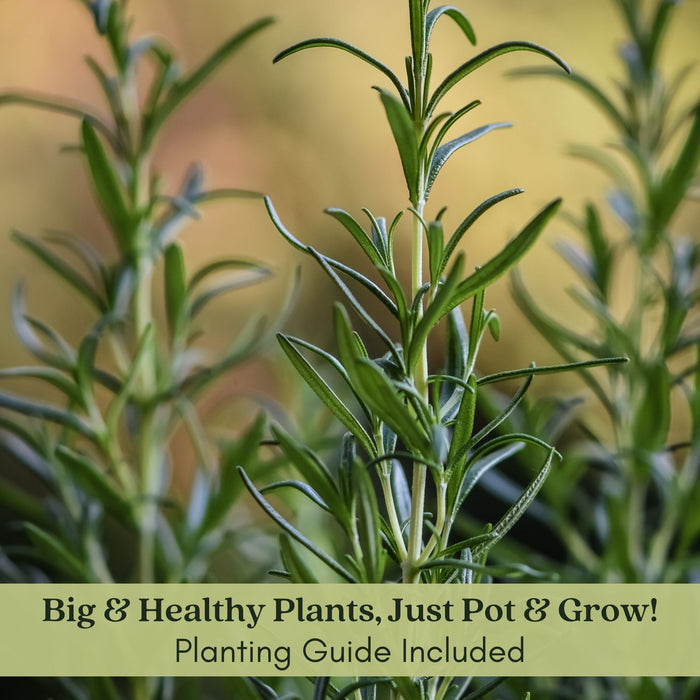
You receive two large actively growing plants, each 3" to 8" tall in a 4" pot, grown in our Midwest greenhouses and shipped directly to your door. Non-GMO, grown without neonicotinoids, safe for your family and your food from the first harvest.
- Two Large Live Barbeque Rosemary Plants — Premium herb plants 3" to 8" tall in 4" pots, actively growing and ready to transplant. Two plants per order for an immediately productive herb garden.
- Strong Rigid Stems for BBQ Skewers — Thicker and woodier than standard rosemary, strong enough to use as natural cooking skewers. Strip the lower leaves, sharpen the tip, and thread shrimp, chicken, lamb, vegetables, or bread. The stem seasons your food with deep rosemary flavor from the inside out.
- Intensely Flavored Needle Leaves — Denser and more aromatic than common rosemary. Use fresh or dried for grilled meats, roasted potatoes, focaccia, herb butter, compound oils, marinades, soups, stews, and cocktails.
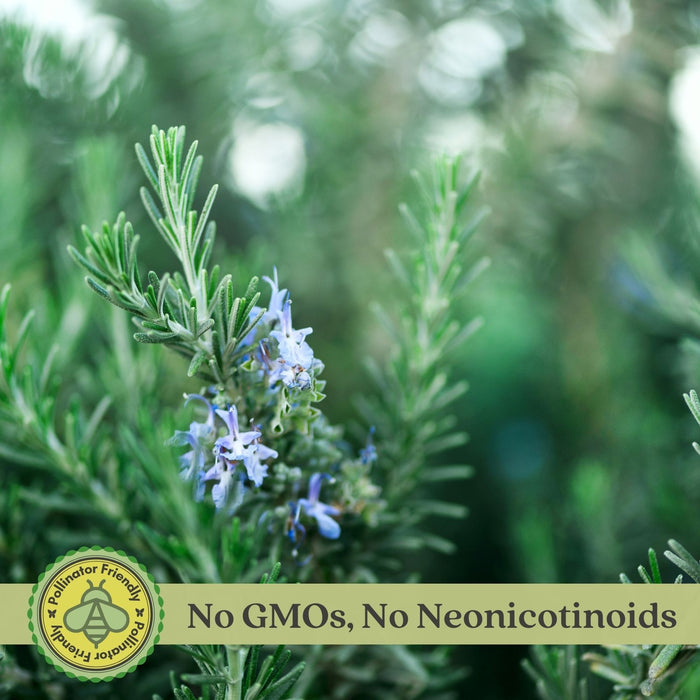
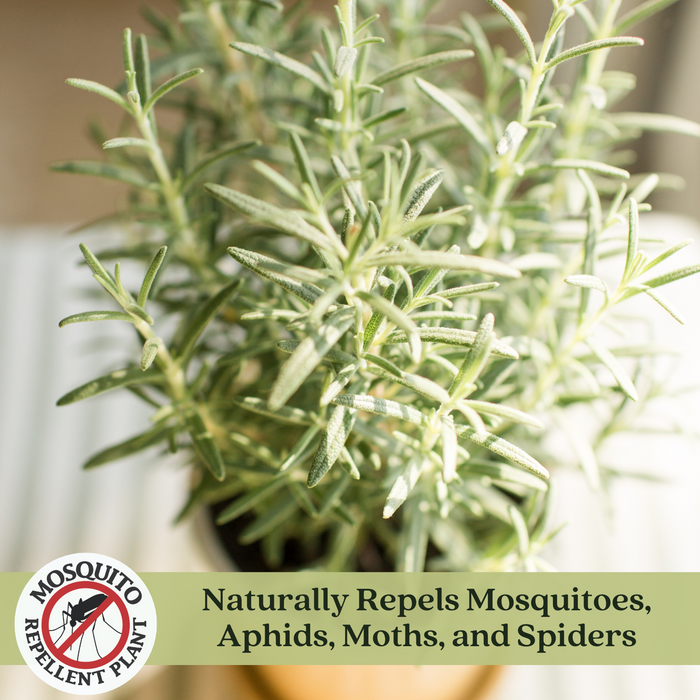
- Intensely Fragrant — Rich pine-herb resinous fragrance fills the air on warm days. Outstanding beside a grill, near a kitchen door, or in a patio container. Flowers attract bees and pollinators when in bloom.
- Non-GMO, No Neonicotinoids — Grown without these chemicals. Harvest and eat directly from the plant with complete confidence. Safe for your family, your food, and your garden's pollinators.
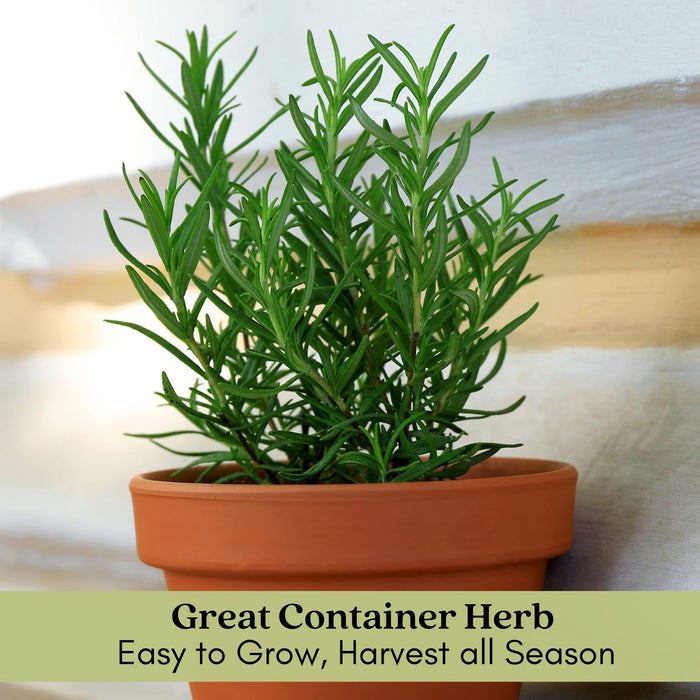
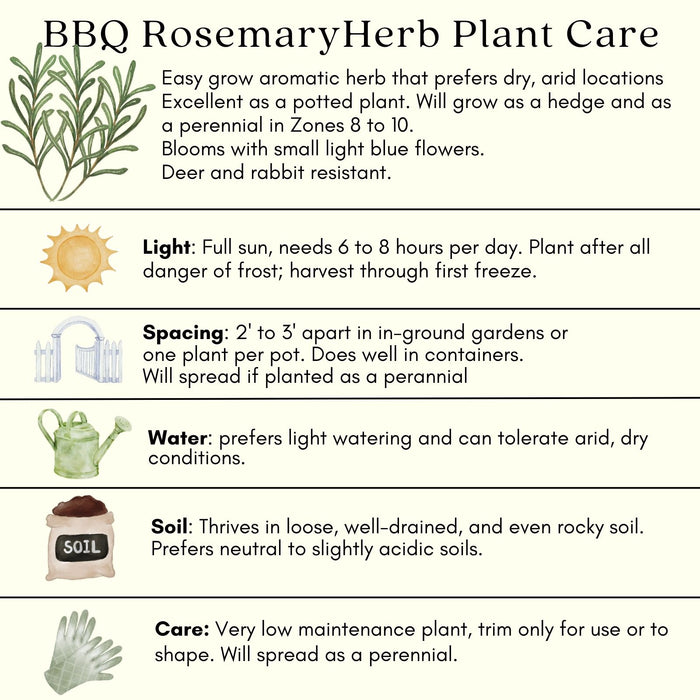
- Thrives in Containers, Raised Beds, and Garden Borders — Full sun, well-draining soil, drought tolerant once established. One of the lowest-maintenance culinary herbs available.
- Perennial in Zones 7–10 — Returns each year in Zones 7 through 10, growing larger and more productive every season. In Zones 6 and colder, grow as a productive annual outdoors spring through fall, or bring indoors to a sunny window for year-round harvest.
- Season-Long Harvest Starting Week One — Snip stems as needed from the moment the plant is established. The plant branches and produces more growth in response to regular harvesting. A mature plant yields dozens of skewer-length stems per season.
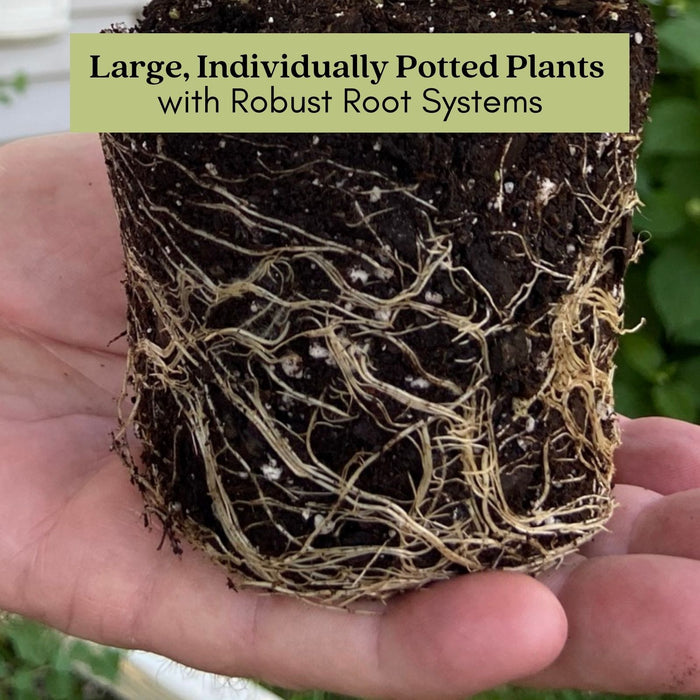
- 10x Root Development — Robust root systems that establish faster and handle transplanting better, giving you a stronger more productive plant from the first week.
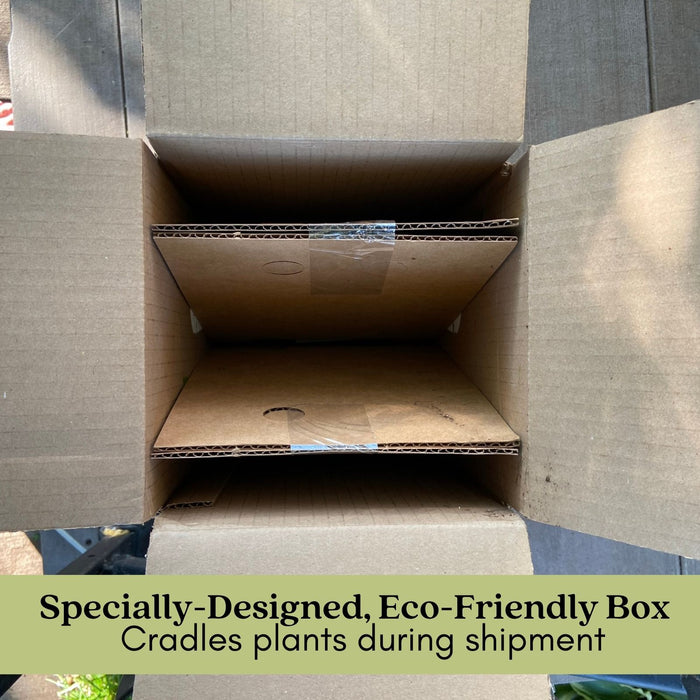
- Grown in the Midwest, Shipped with Care — All plants grown in our USA greenhouses, managed from seed to your doorstep. Ships in our exclusive eco-friendly 100% recyclable protective box with our copyrighted Quick Start Planting Guide included.
- Third Generation Family-Owned Small Business — Growing and shipping live plants since 1957. Every plant backed by our 100% satisfaction guarantee.
What Makes Barbeque Rosemary Different
Most rosemary varieties produce soft flexible stems suitable for stripping leaves but not for holding weight on a grill. Barbeque Rosemary develops substantially thicker and woodier stems — firm enough to thread shrimp, chicken cubes, lamb, mushrooms, cherry tomatoes, halloumi, and bread without bending over heat. The essential oil concentration in the needle-like leaves is also noticeably higher than in standard varieties. You will smell the difference the moment you brush the plant. You will taste it in everything you cook.
How to Grow Barbeque Rosemary
Plant in full sun — at least 6 hours of direct sunlight daily — in well-draining soil. Water deeply but allow the soil to dry between waterings. Rosemary is drought tolerant and far more likely to be harmed by overwatering than underwatering. In containers use a well-draining potting mix and ensure drainage holes. Space plants 18 to 24 inches apart in the garden. Feed monthly with a balanced fertilizer through the growing season.
In Zones 7 through 10, Barbeque Rosemary overwinters outdoors and grows into a substantial shrub over multiple seasons. In colder zones bring containers indoors before first frost and place in your sunniest window.
How to Harvest and Use Barbeque Rosemary
Begin harvesting as soon as the plant shows new growth after transplanting, typically within two weeks. Always cut just above a leaf node and never remove more than one third of the plant at one time. Regular harvesting encourages branching and more stem production throughout the season.
- For BBQ skewers: Select mature stems at least 8 to 12 inches long. Strip the lower two thirds of the needles and cut the bare end at an angle to create a point. Soak in water 20 minutes before grilling over direct high heat. Thread ingredients tightly and grill as normal.
- For fresh culinary use: Strip leaves from the stem and chop finely, or lay whole stems in a roasting pan under meat or vegetables. Fresh rosemary is approximately three times more potent than dried — adjust quantities accordingly.
- For drying: Bundle 6 to 8 stems and hang upside down in a warm dry location with good airflow. Dried in 2 to 3 weeks. Store stripped leaves in an airtight jar away from direct light for up to 18 months.
Common Questions About Barbeque Rosemary
Can I really use the stems as skewers? Yes — this is what specifically distinguishes Barbeque Rosemary from standard rosemary. Select your most mature stems, strip the lower needles, and use exactly as you would a wooden skewer. The flavor transfer to the food is real and significant.
How soon can I harvest after planting? Begin light harvesting within two weeks of transplanting once the plant shows new growth. For skewer-quality stems allow one full growing season to develop the stem thickness needed.
How is this different from grocery store rosemary? Grocery store rosemary is almost always a generic variety selected for shelf life rather than flavor or stem strength. Barbeque Rosemary is selected specifically for culinary performance — stronger flavor, more aromatic, structurally different stems.
Will it come back next year? In Zones 7 through 10 it is a perennial and returns each year growing larger every season. In Zones 6 and below treat as an annual outdoors and either replace yearly or bring containers indoors for winter.
Can I grow it indoors? Yes, in a very sunny south or west-facing window. A grow light supplement helps significantly through winter months in northern zones.
Can I grow it in a container on my balcony or patio? Yes. Use a large pot with drainage holes and well-draining potting mix. Place in the sunniest spot available and water when the top inch of soil is dry.
Pairs Well With...
Complete your herb garden or grilling garden with these Clovers Garden plants:
- Upright Rosemary — a second rosemary variety for comparison and abundance
- Creeping Lemon Thyme — cascades over container edges, edible, citrus-scented
- Sweet Basil — the classic pairing with any Mediterranean herb garden Italian
- Oregano — grilling herb with the same sun and drainage requirements