


Blanket Flower Arizona Apricot (Gaillardia) | Two Live Plants | Non-GMO | Hardy Flowering Perennial | Pollinator Favorite
More Perennial Varieties for Pollinators






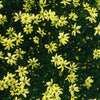


A standout in cottage gardens, pollinator gardens, and sunny perennial borders, Blanket Flower Arizona Apricot (Gaillardia) produces beautiful apricot, peach, and golden-yellow blooms that flower continuously from early summer until frost. This award-winning variety offers softer, warmer colors than traditional blanket flowers, while its compact, mounded habit makes it perfect for borders, walkways, patio containers, and smaller gardens. The sturdy stems also produce long-lasting cut flowers that bring cheerful color indoors.
Gardeners love Blanket Flower Arizona Apricot because it combines exceptional beauty with outstanding toughness. Hardy in Zones 3–9, this easy-care perennial thrives in heat, drought, and average garden soils while producing months of nonstop blooms. Its nectar-rich flowers attract butterflies, bees, hummingbirds, and other beneficial pollinators, making it one of the most rewarding long-blooming perennials for sunny landscapes.
Clovers Garden Blanket Flower Arizona Apricot (Gaillardia) Plants
• Two Large, Live Plants – Ready to grow, premium-quality Blanket Flower Arizona Apricot plants, 4” to 8” tall, in 4” pots.
• Non-GMO, No Neonicotinoids – Plants are grown without these chemicals to protect pollinators.
• Beautiful Apricot Blooms – Soft shades of apricot, peach, golden yellow, and warm orange brighten the garden all season.
• Long Bloom Season – Flowers continuously from early summer until the first frost with regular deadheading.
• Pollinator Friendly – Attracts butterflies, bees, hummingbirds, and beneficial insects.
• Low-Maintenance Perennial – Heat tolerant, drought tolerant, and easy to grow once established.
• Compact Garden Size – Forms a tidy mound approximately 12–14 inches tall and wide, making it ideal for borders and containers.
• Excellent Cut Flowers – Long-lasting blooms are perfect for fresh flower arrangements.
• 10x Root Development – Robust plants with healthy roots that handle transplanting better and grow stronger right from the start.
• Grown in the Midwest – All plants are grown in the USA and we manage the entire process from seed to your doorstep.
• Fast Shipping and Careful Packaging – Your plants arrive quickly in our exclusive, eco-friendly, 100% recyclable box designed to protect your plants and the planet.
• Quick Start Planting Guide – Created just for our customers, this copyrighted guide walks you through every gardening step from unboxing to planting.
• Third Generation, Family-Owned Small Business – We've been helping gardeners since 1957 with established greenhouses right here in the Midwest.
• 100% Satisfaction Guaranteed
How to Grow and Care for Blanket Flower Arizona Apricot
• Sunlight – Full sun produces the heaviest flowering and best plant shape.
• Soil – Prefers well-draining soil and adapts well to average or sandy garden soils.
• Watering – Water regularly during establishment; drought tolerant once mature.
• Spacing – Space plants 12–18 inches apart for healthy growth and airflow.
• Maintenance – Deadhead spent blooms regularly to encourage continuous flowering.
• Zones – Hardy perennial in Zones 3–9.
Blanket Flower Arizona Apricot – Fun Facts
Why Blanket Flower Is Called Gaillardia - The genus was named in honor of 18th-century French botanist Antoine René Gaillard de Charentonneau.
Why Arizona Apricot Is So Popular - Its soft apricot and peach-colored blooms offer a unique alternative to the bright reds and yellows found in most blanket flower varieties.
Why Blanket Flowers Bloom for Months - Gaillardia naturally produces new flower buds throughout the season, especially when faded blooms are removed regularly.
One of the Toughest Perennials You Can Grow - Blanket Flowers thrive in heat, drought, and poor soils while continuing to flower through the hottest parts of summer.
Common Questions About Blanket Flower Arizona Apricot (Gaillardia)
Does Blanket Flower Arizona Apricot come back every year?
Yes. Blanket Flower Arizona Apricot is a hardy perennial that returns every spring in USDA Zones 3–9.
Does Blanket Flower Arizona Apricot attract butterflies and bees?
Yes. Its nectar-rich flowers attract butterflies, bees, hummingbirds, and many other beneficial pollinators throughout the growing season.
Is Blanket Flower Arizona Apricot drought tolerant?
Yes. Once established, it thrives in hot, sunny gardens and tolerates dry conditions extremely well.
How big does Blanket Flower Arizona Apricot grow?
It grows about 12–14 inches tall and wide, forming a compact mound that's perfect for borders, containers, and perennial gardens.
Can Blanket Flower Arizona Apricot be grown in containers?
Absolutely. Its compact growth habit makes it an excellent choice for patio planters and decorative containers.
How long does Blanket Flower Arizona Apricot bloom?
With regular deadheading, it blooms continuously from early summer until the first frost.
What color are Blanket Flower Arizona Apricot flowers?
The blooms feature soft shades of apricot, peach, golden yellow, and warm orange that brighten the garden for months.
What plants grow well with Blanket Flower Arizona Apricot?
It pairs beautifully with Purple Coneflower, Black Eyed Susan, Bee Balm, Russian Sage, Coreopsis, Lavender, and Salvia.
Is Blanket Flower Arizona Apricot easy for beginning gardeners to grow?
Yes. Its heat tolerance, drought resistance, and low-maintenance nature make it an excellent perennial for both new and experienced gardeners.
Best Companion Plants for Blanket Flower Arizona Apricot
Blanket Flower Arizona Apricot combines beautifully with other sun-loving perennials such as:
• Purple Coneflower
• Black Eyed Susan
• Bee Balm
• Russian Sage
• Coreopsis Moonbeam
• Lavender
• Salvia
Pollinator and Garden Benefits
Blanket Flower Arizona Apricot provides nectar throughout the growing season for butterflies, bees, hummingbirds, and beneficial pollinators. Its exceptionally long bloom period makes it a dependable food source while adding vibrant, drought-tolerant color to pollinator gardens, cottage gardens, and perennial borders.
Plant photography: Don McCulley & S.G.S., CC BY-SA 4.0, via Wikimedia Commons (cropped, color-adjusted).